
The Athletica method
Strength and muscle, trained as one system.
Powerbuilding synthesizes the most rigorous protocols for increasing strength with the science of muscular development into one periodized system.
 illustration
Powerlifting developed the most rigorous protocols for maximal strength. Bodybuilding developed the most refined mechanics for muscular hypertrophy. They aren’t competing philosophies. They’re complementary ones, each developed to master a different dimension of physical training.
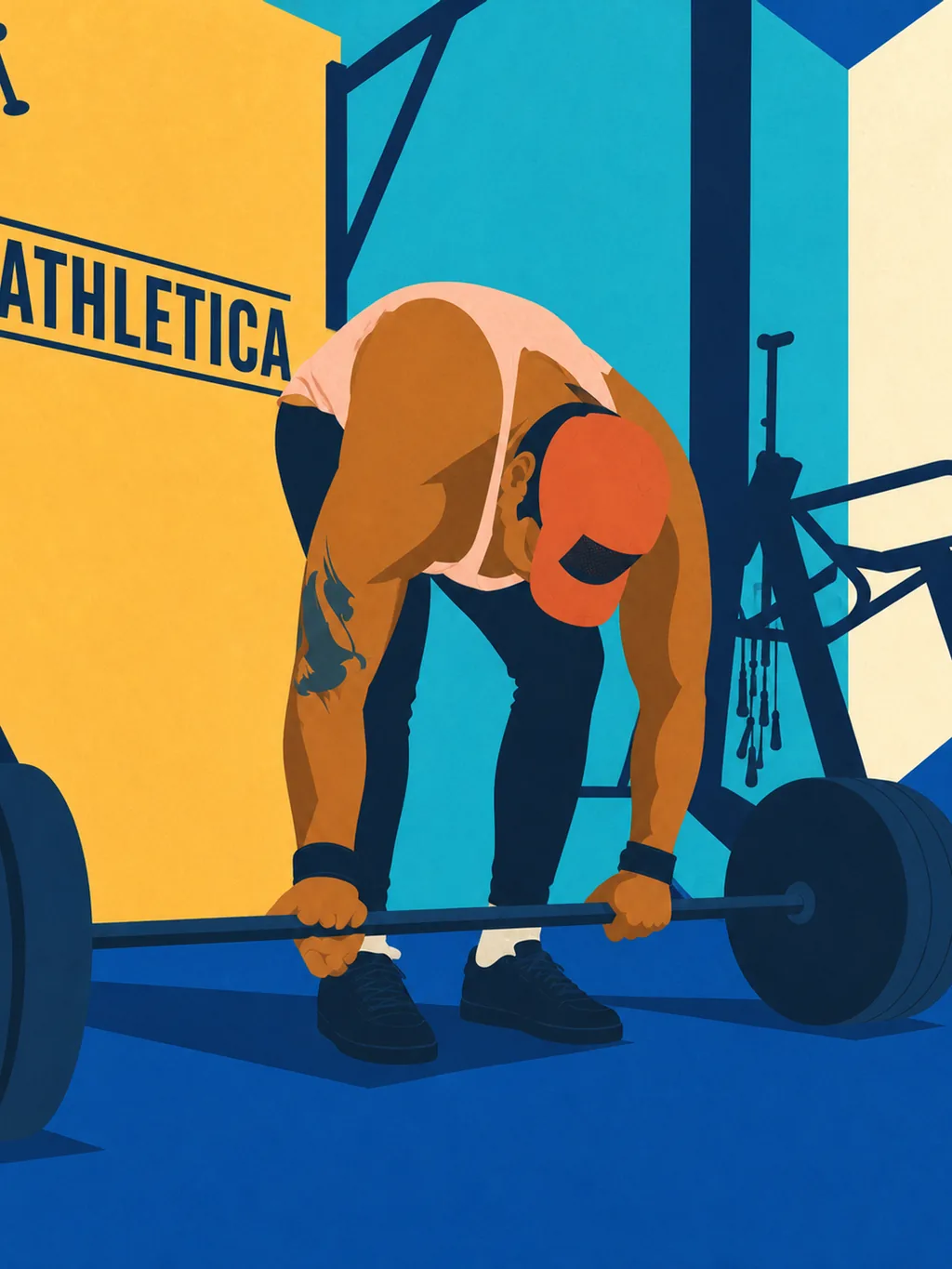
Powerbuilding synthesizes both into one periodized program — combining the structural integrity of heavy compound barbell lifts with targeted hypertrophy for joint longevity, balance, and physique development.
Why It Works for Everyone
Drawing from Aristotle’s Golden Mean and dialectical principles, this methodology avoids the dogmas of single-discipline training. It takes what is durable from the extremes to build a resilient, athletic body for people living in the real world.
Whether you are a beginner learning and cementing fundamental barbell lifts or an experienced lifter optimizing for new PRs, structured progression ensures every session has a clear purpose and every phase builds on the last.
Periodization & Autoregulation
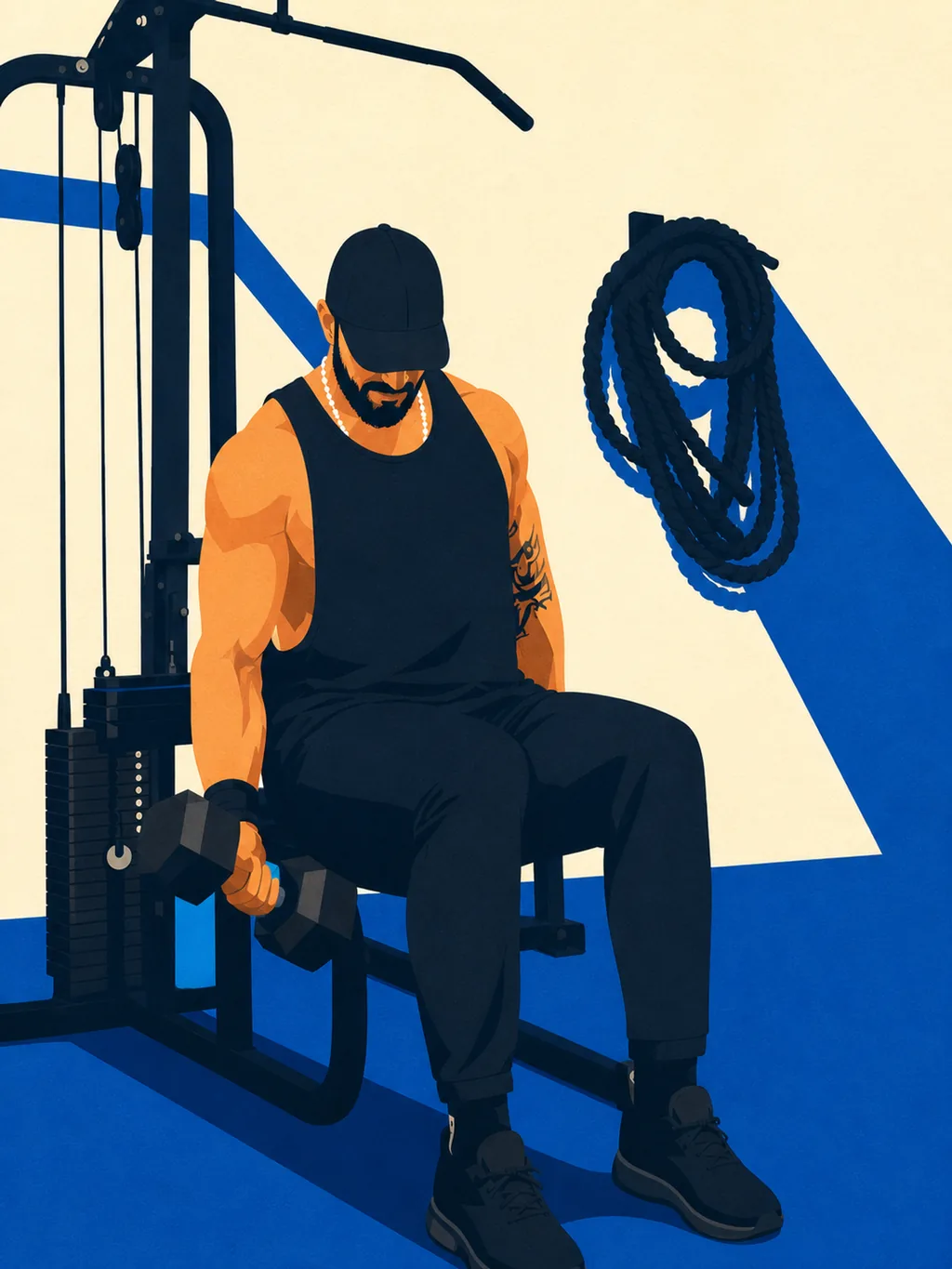
Your program runs in planned periodized cycles that vary volume, intensity, and exercise selection over time. But unlike rigid programs that ignore real life, daily readiness directs the work. Fatigue, stress, sleep, and nutrition dictate how we handle the barbell on any given day.
The overarching plan holds; the session adapts. There is always a productive, effective option that moves you forward without burning you out. That is how sustainable progress works.
Data-Informed Coaching
Tracking volume, load, and execution across every session provides the diagnostic feedback needed to adjust programming before plateaus or fatigue accumulate into setbacks.
This isn’t about obsessing over numbers. It’s about knowing whether your program is working and making informed adjustments based on objective evidence. Good coaching requires accurate data.

Want to train this way?
Rates and structure are on the pricing page, or reach out directly — I'll take it from there.
Book a free assessmentLong-form thinking
The thinking behind the training.
Training philosophy isn’t static. These are long-form articles on methodology, nutrition, optimizing for specific outcomes, and what actually works in practice.

The Certification Scam
CanFitPro isn't a professional standards body. It's a revenue system owned by Canada's largest gym chain, sustained by an industry that never asked questions.
The Synthesis
Powerbuilding isn't a compromise between powerlifting and bodybuilding. Two philosophers explain why the synthesis transcends both — and the science backs it up.
What They Can't Tell You
Most mainstream fitness protocols were designed for enhanced athletes. The industry stripped the drug context and sold them as universal truth. Here's what breaks.
The Reps You're Leaving Behind
Mechanical drop sets, strategic momentum, and why stopping at perfect form failure is costing you muscle. A case against strict form absolutism.